Build a business that outlasts you.
Your business shouldn’t retire when you do.
Growth is supposed to create capacity. But when the important knowledge and judgment still live with the founder, growth creates a larger company with the same bottleneck. More employees. More work. More decisions coming back to the same desk.
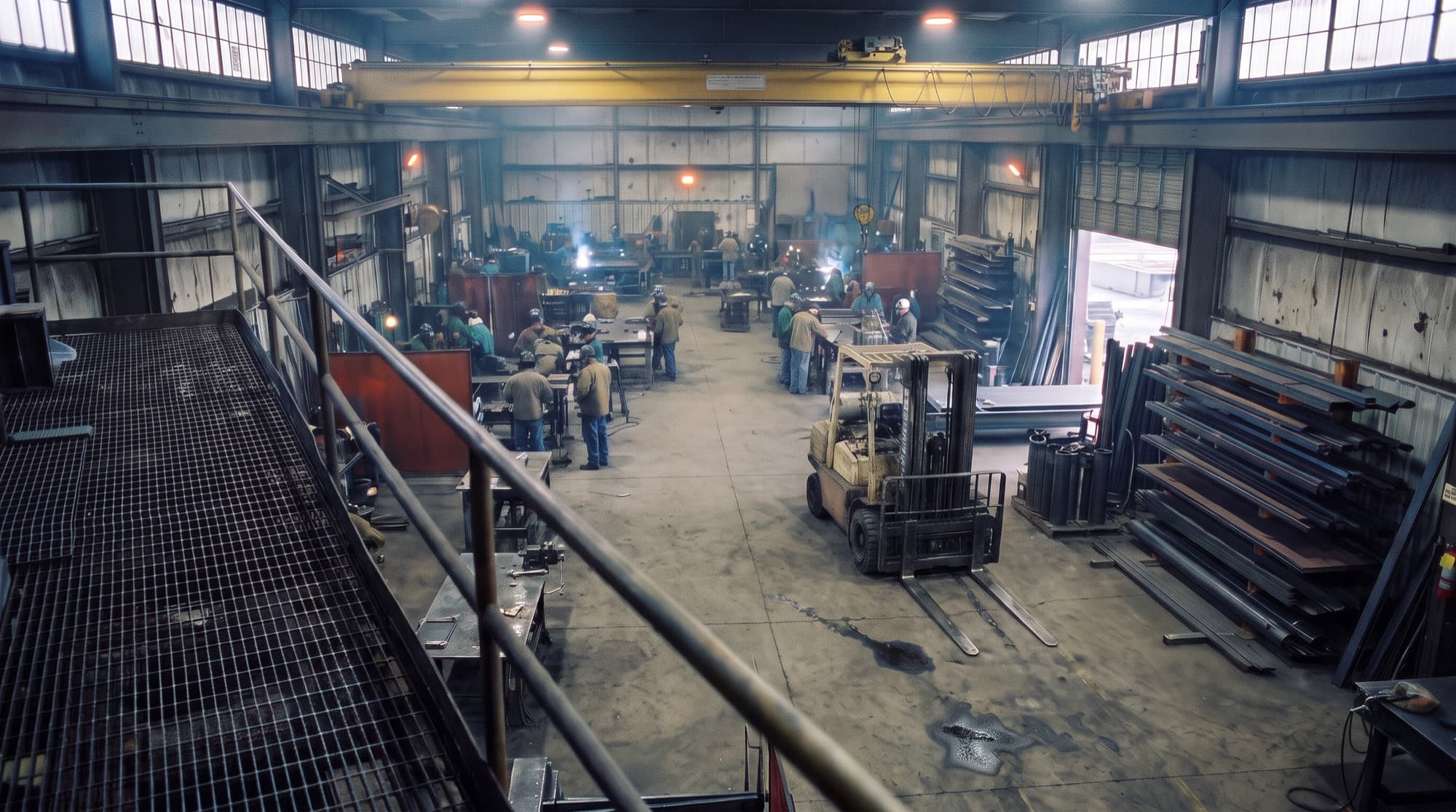
- Construction
- Trades
- Manufacturing
Is the business still too dependent on you?
If any of these sound familiar, you’re not alone. You’re just past the size the old way was built for.
The problem isn’t a lack of hard work. It’s that the business has outgrown founder-led decision-making.
Who This Is ForEvery important decision still comes through you.
Your managers struggle to make decisions without your input.
Critical knowledge exists only in your head.
Growth creates more complexity instead of more freedom.
You’re constantly putting out fires instead of leading.
You want to leave a business your family or employees can continue, and you’re not sure how.
Built to last. Designed to outlive.
We partner with owners to turn expertise into systems, leadership, and organizations that last. Not five engagements. One operating system.
Strategy
Where the business is actually going, and which decisions serve that. Not a binder. A direction the team can act on Monday.
Leadership
Managers who can decide without you. Real authority, and the accountability that has to come with it.
Operations
How work actually moves: where it stalls, where it doubles back, and where it sits waiting on one desk.
Processes
Judgment made repeatable and employee-agnostic, so the company doesn’t lose a process every time it loses a person.
Technology
The seat we read the business from. Every order, schedule, and handoff runs through the systems, so that’s where the truth shows first.
Advice is cheap. We find the root cause and do the work.
Best practices are for corporations. We build processes that amplify your strengths.
Root-cause diagnosis
Solving the surface problem keeps you busy. A lasting business solves the upstream problem, so the audit comes first: identify, define, then solve. An outside perspective is how the blind spot gets seen.
Fractional help, not another salary
A company this size needs senior operations and technology leadership and can’t yet carry the payroll for it. We fill the seat for the fraction of the week it takes, and build toward the day your own people hold it.
Execution, not just advice
Plenty of consultants will tell you what to do. We bring a real plan, then stay through implementation, training, documentation and handoff, until what was patched together is professional and built to scale.
Technology and operations, together
Everyone talks operations. We also know what your tools can actually do, and we build the workflows and the right amount of automation around how you work.
Audit and roadmap. Execute. Hold the line.
You’re the builder. We’re the architect, with the plans for a complex build and the order to put them up in. Three stages: the audit and the roadmap make the first, the engagement is the second, and the third is how the discipline holds after we step back.
The Three Stages
1.0
Assessment + Roadmap
Find the problem before funding another fix.
1.1Audit
We sit with you and the leadership team, read how work and decisions actually move, and expose the root causes. Expect the findings to contradict something you believe about the business.
1.2Roadmap
A written assessment, a sequenced plan with owners and dates, and a short list of what to fix first. Flexible to what the business can carry, firm about the order.
2.0
Intensive Engagement
We work the roadmap alongside your team, build and document the processes, and move responsibility to the people who should hold it.
3.0
Ongoing Advisory Support
A standing rhythm after the build, so old habits don’t quietly rebuild the old company. Bigger projects when the business is ready for them.
What actually changes
Not a mood. A different set of facts about how the company runs on an ordinary Tuesday.
Before
After
Owner-dependent
System-dependent
Constant firefighting
Predictable execution
Tribal knowledge
Documented processes
Reactive management
Intentional leadership
Growth creates chaos
Growth becomes repeatable
Founder carries everything
Leadership is shared
“A good man leaves an inheritance to his children’s children.”
Proverbs 13:22
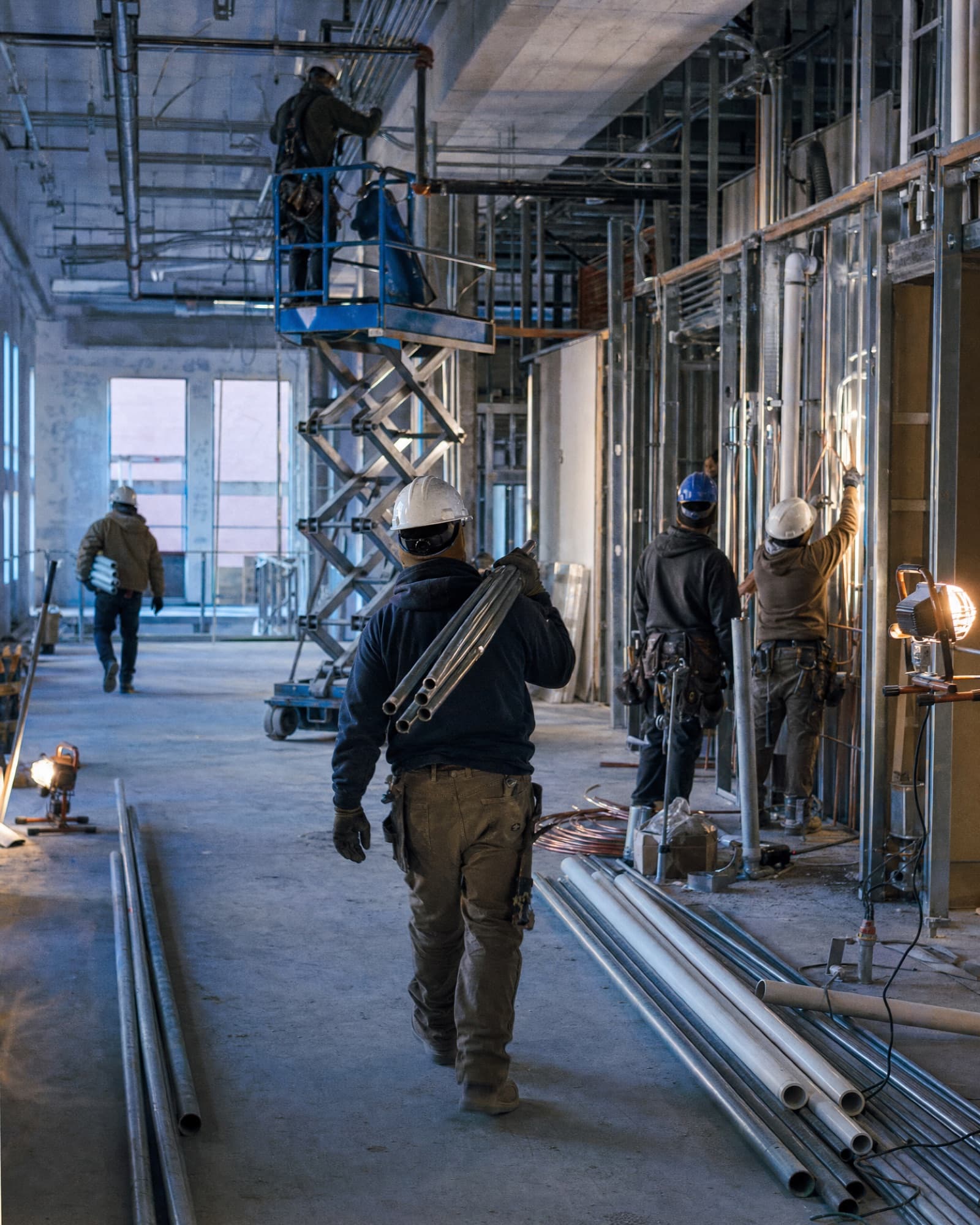
You didn’t build the company to rake in cash and be a nice guy. You built it to provide, to do good work, and to leave something standing. A business that still runs through one man can’t be handed to anyone.
Stewardship means the business owes something to everyone it touches: the customers who trust its word, the employees who feed their families from it, the community it serves, and the children who might one day run it. Order is how you keep those promises.
Orderly
So the next generation can take over cleanly.
Future-proofed
So nobody has to rebuild the systems just to keep up.
Employee-agnostic
So the company doesn’t depend on one key person, you included.
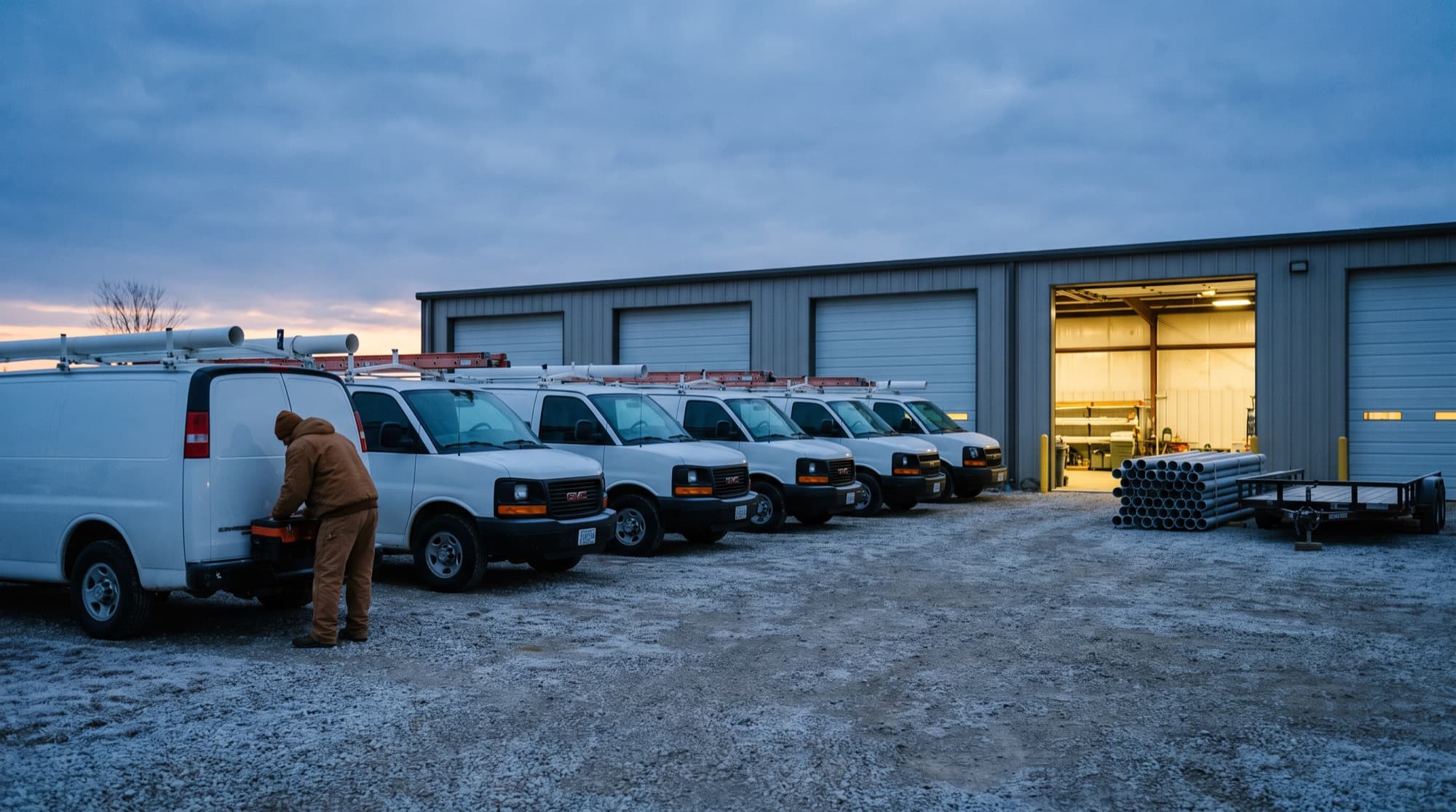
You built it with your own hands. Now it has to stand without them.
We work with founders of blue-collar companies like construction firms, trade contractors and manufacturers: owners who grew a real business through hard work and direct involvement, got it to 5-50 employees and $2-20M a year, and can feel it straining to go further on the same habits.
- Role
- Founder, president, owner
- Industries
- Hard-working, blue-collar companies like commercial construction, specialty contractors, manufacturing and fabrication, custom millwork
- Size
- 5-50 employees, $2-20M a year
- Business age
- 4-20 years
Three men who’ve carried the work themselves.
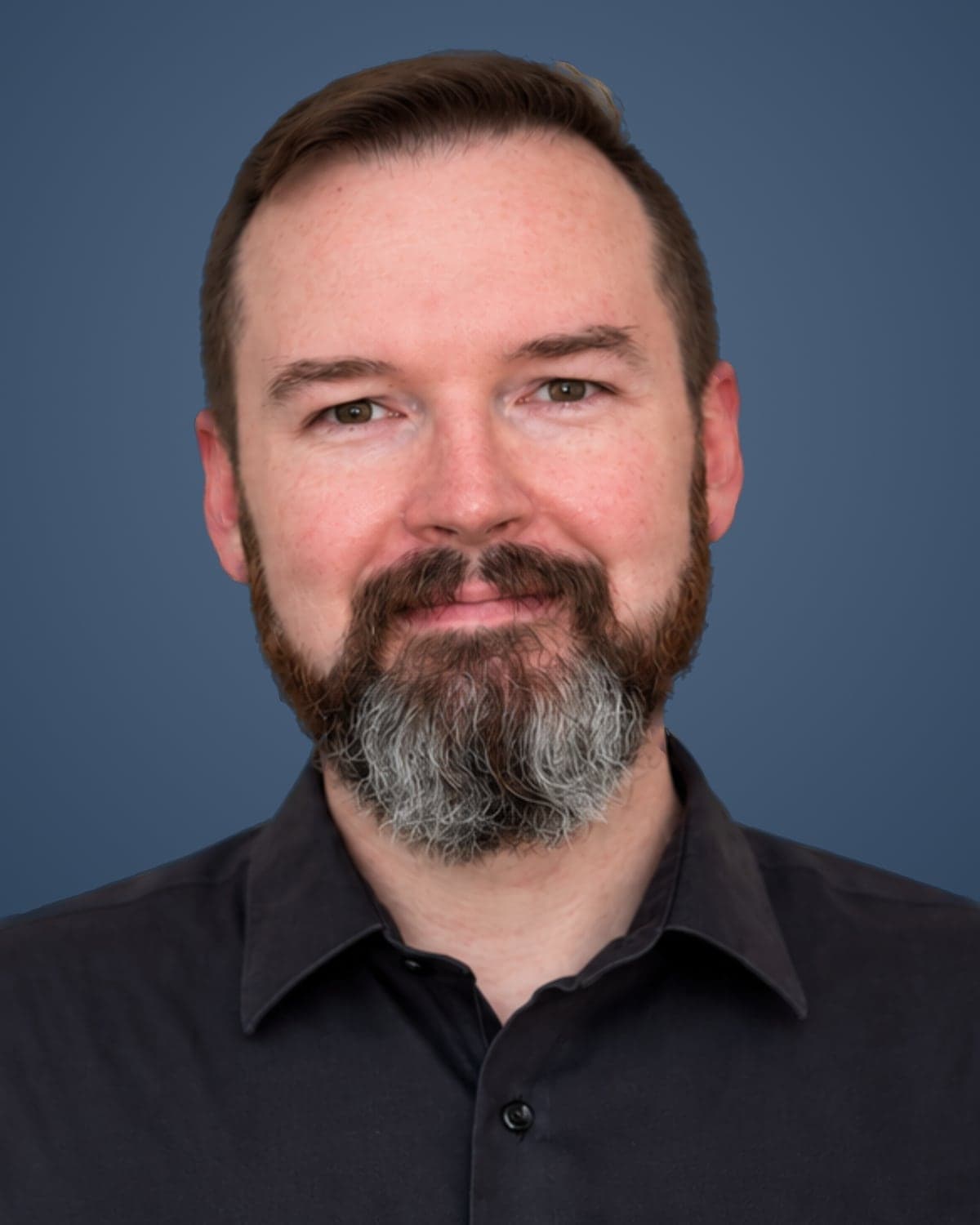
Collin Madsen
Founder & Consultant
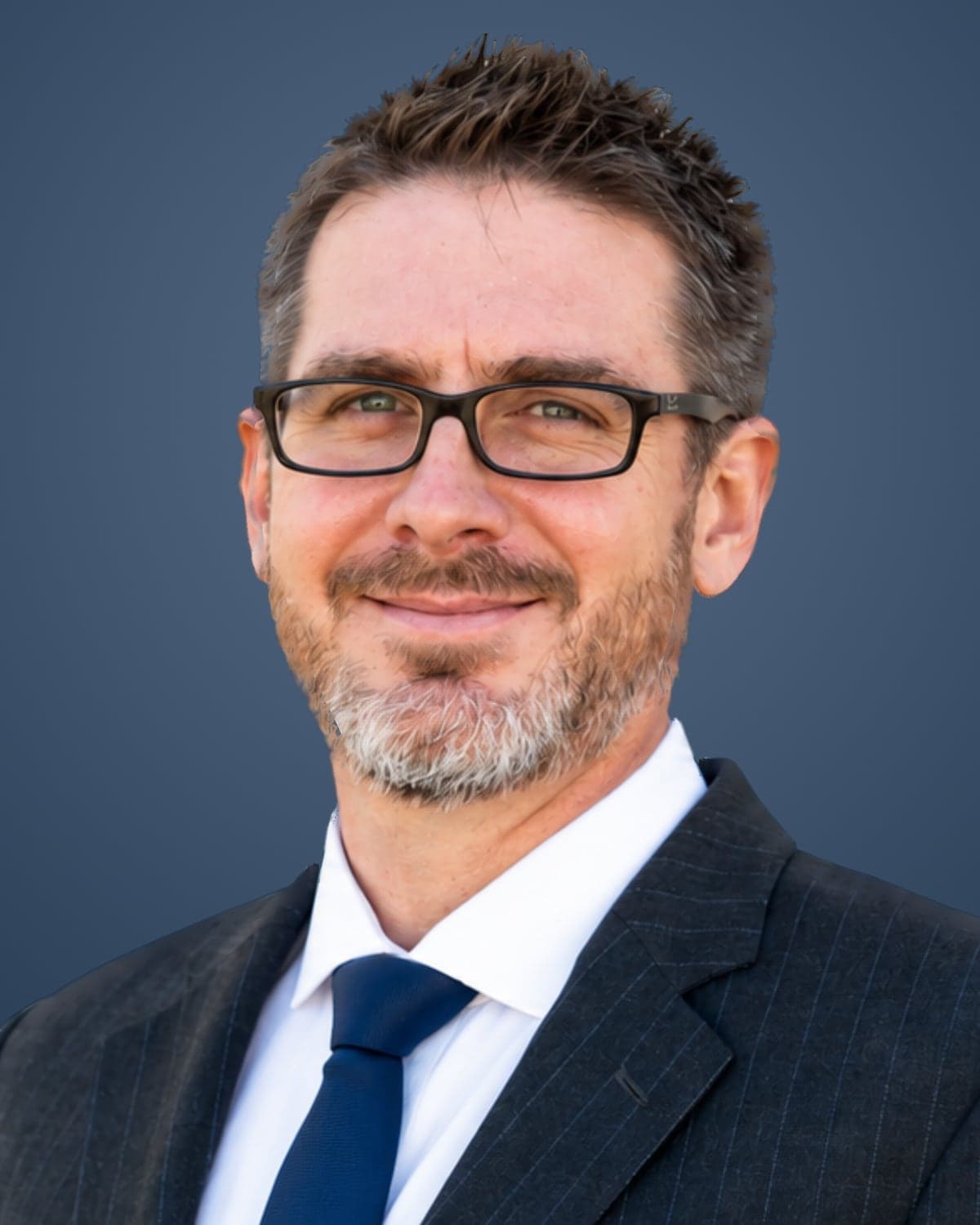
Chris Stadler
Operations Consultant
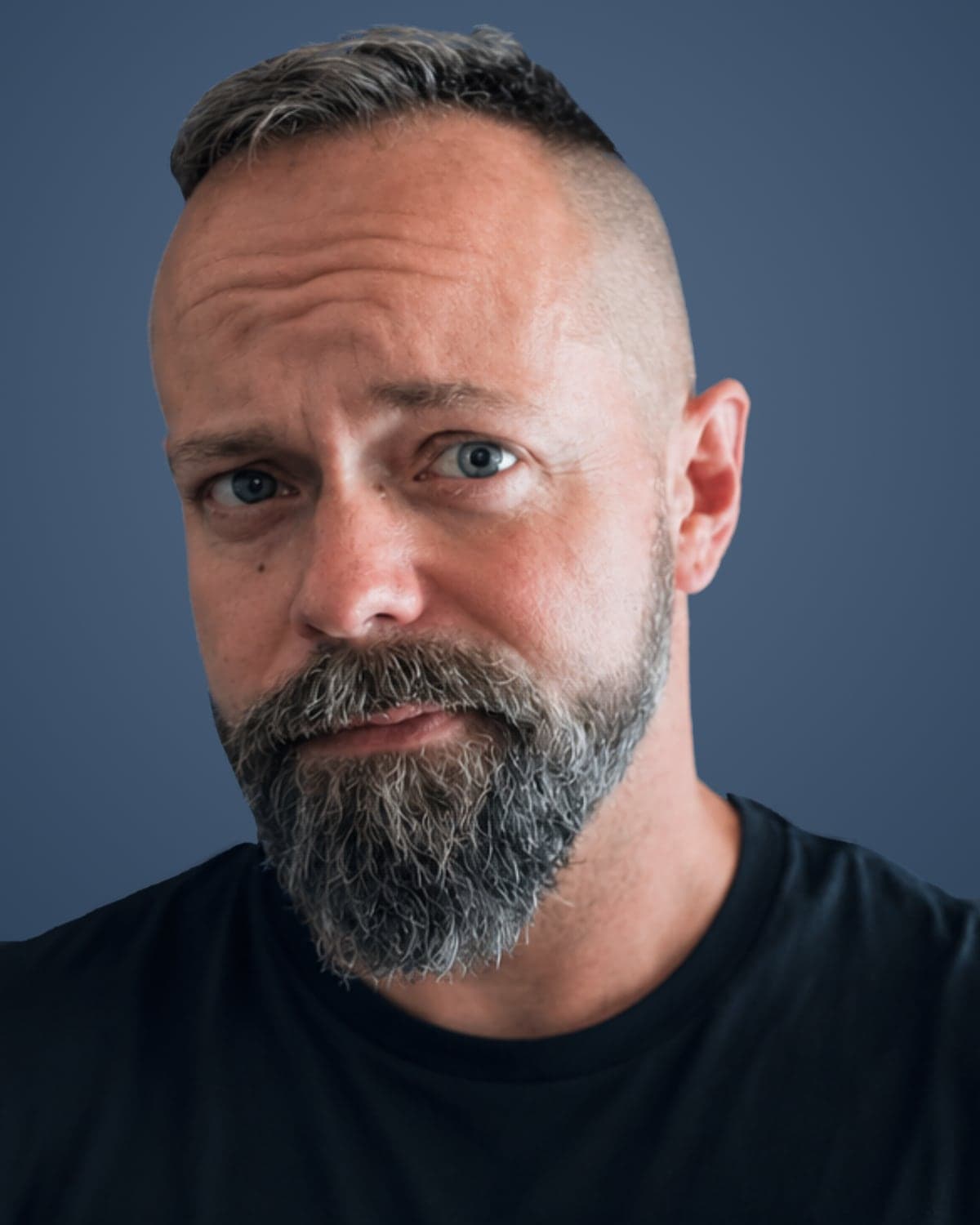
Joshua Costner
Senior Account Manager
Where the work begins.
Most advisors assume you want to tidy the place up and sell it. If you’re building something to hand over instead, tell us where the business still depends on you. The first step is a conversation about fit, not a proposal.